 Zorg Space
Driving lessons and the practical test
Driving lessons and the practical exam in the Netherlands: what to expect
Short answer
You can start car driving lessons in the Netherlands at 16.5 and take the practical exam from 17; until you turn 18 an experienced coach rides with you (2toDrive). Before the exam you need a valid theory pass and an approved health declaration (Gezondheidsverklaring). The practical exam takes 55 minutes, of which about 35 minutes is driving. There is no fixed number of lessons: you are ready when you drive safely and on your own, not after a set count.
The route, step by step
- Choose a driving school and start lessonsfrom age 16.5; theory first is not required for lessons
- Fill in the health declarationin Mijn CBR, as soon as you start lessons — approval can take weeks
- Pass the theory examvalid for 1.5 years; needed before the practical exam can be booked
- Optional: the interim testa practice exam with a CBR examiner, halfway through your lessons
- The practical exam55 minutes, from age 17, booked by your driving school
- Novice licencethe first five years have stricter rules
- age for the first lesson
- 16.5
- age for the practical exam
- 17
- with a coach until 18
- minutes for the exam
- 55
- about 35 of them driving
How many lessons will you need?
No law and no CBR rule sets a number. What matters is the level the examiner sees: whether you take part in traffic safely, smoothly and independently. People who already ride a bike in Dutch traffic, who practise the theory early and who take lessons close together usually need fewer. Long gaps between lessons cost the most time, because each lesson starts with relearning.
A useful check halfway: can you drive a whole lesson without the instructor using the dual brake or telling you what to do next? That, not a number, is the sign you are getting close.
The interim test
The tussentijdse toets (TTT) is a test drive with a CBR examiner, set up like the real exam and also lasting 55 minutes. It does not count as an exam, but it gives you an honest picture of your level — and if you do the special manoeuvres well (such as parallel parking, turning the car round and reversing), you are exempt from them at your first practical exam. You need a theory pass to take it, and your driving school books it.
What happens on exam day
The examiner checks your papers and then you drive. Most of the time the examiner gives directions; for part of the route you drive independently to a destination, following road signs or a navigation system. The examiner watches how you handle real traffic: priority, speed, position on the road, looking and signalling, and how you deal with cyclists and pedestrians.
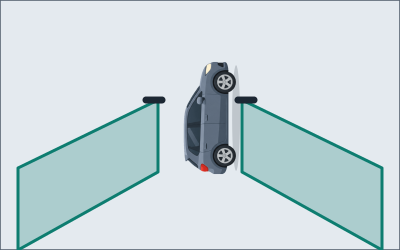
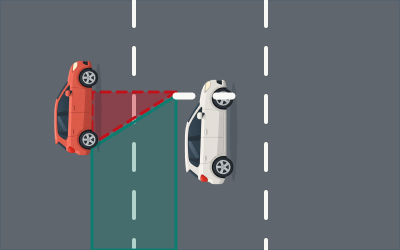
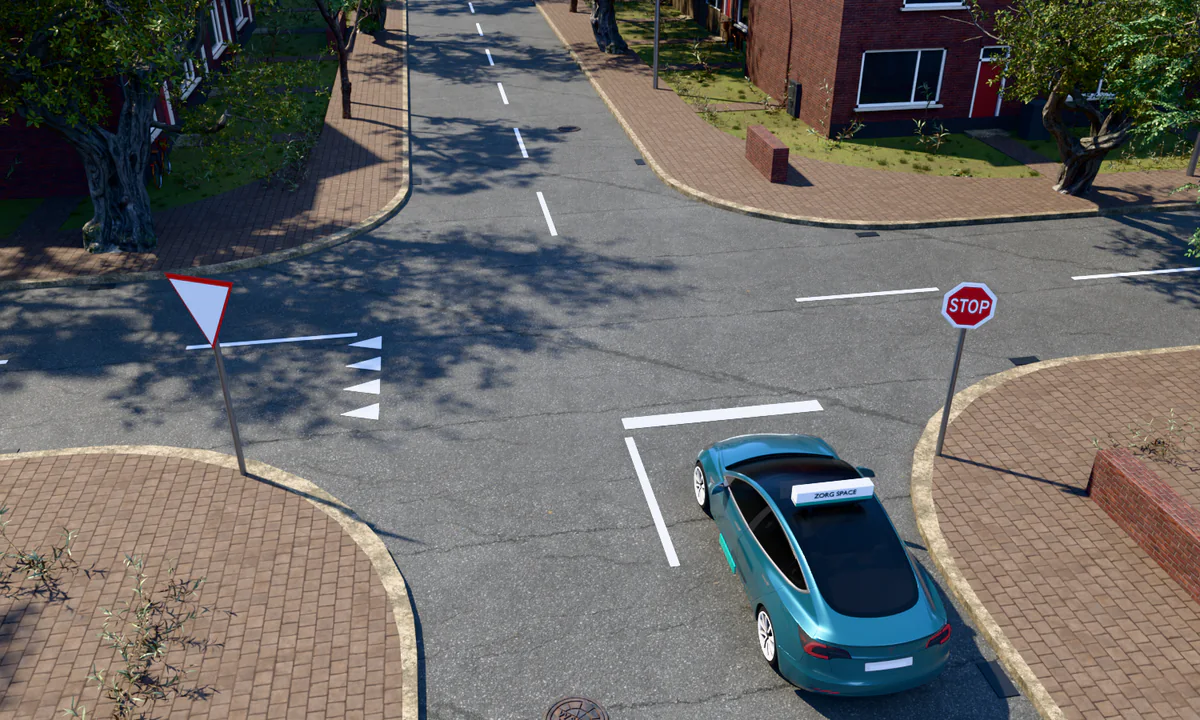
The faults that most often cost a pass are not the hard manoeuvres. They are priority mistakes at ordinary junctions, not looking over the shoulder for cyclists, and driving too fast for the situation — exactly the things the theory exam tests.
After you pass: the novice licence
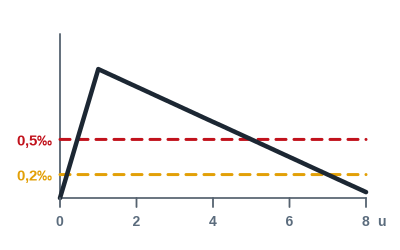
For the first five years you hold a novice licence (beginnersrijbewijs). That is the case whether you passed at 18 or at 17 through 2toDrive; only someone whose first licence came at 16 — in practice the AM licence for a moped or microcar — has seven years. During the novice period the alcohol limit is 0.2 per mille instead of 0.5, and a stricter points system applies: serious offences can lead to a CBR course or the loss of your licence.
Check yourself
Tap an answer to check it. Nothing is saved or sent.
-
1From what age can you take the practical car exam?
- 17, with a coach until you are 18
- 18
- 16.5
Show answer
Answer: A 17, with a coach until you are 18
You can start lessons at 16.5 and take the practical exam from 17. Until 18 an experienced coach with a Dutch licence rides with you (2toDrive).
-
2What does the interim test (TTT) give you if you do the special manoeuvres well?
- A licence without a practical exam
- A shorter theory exam
- An exemption from them at your first practical exam
Show answer
Answer: C An exemption from them at your first practical exam
The interim test does not count as an exam, but doing the special manoeuvres well exempts you from them at your first practical exam.
-
3You passed at 17 through 2toDrive. How long is your novice period?
- Seven years, because you started before 18
- Two years
- Five years
Show answer
Answer: C Five years
Five years — at 17 or at 18. Only someone whose first licence (in practice the AM licence) came at 16 has seven years.
Sources
Related guides
-
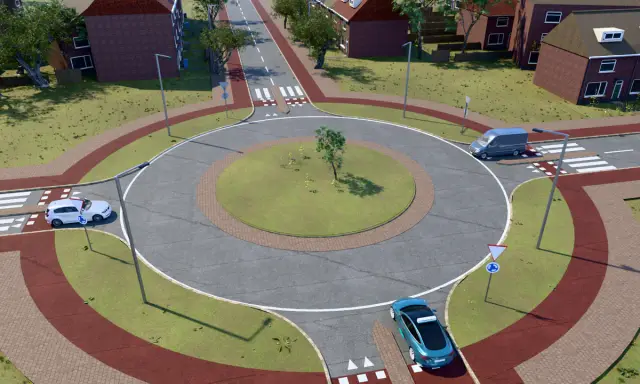 The theory exam
How does the Dutch car theory exam work?
The CBR car theory exam since April 2025: 50 questions that count, 44 to pass, 30 minutes, the question types, and how to prepare for it. 5 min read -
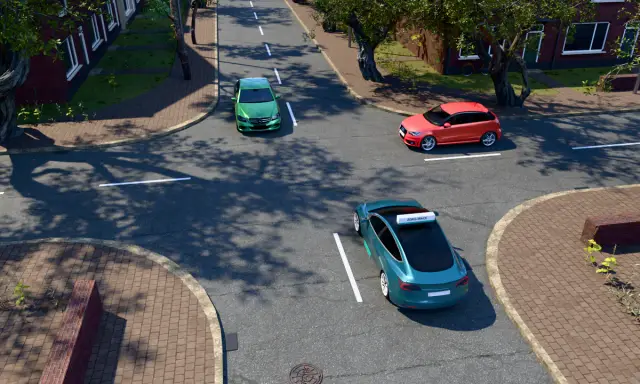 Rules of the road
Who has priority in the Netherlands? The rules in the order they apply
Right before left, shark’s teeth, priority roads, trams and turning traffic — the Dutch priority rules in the order they apply, with pictures. 4 min read -
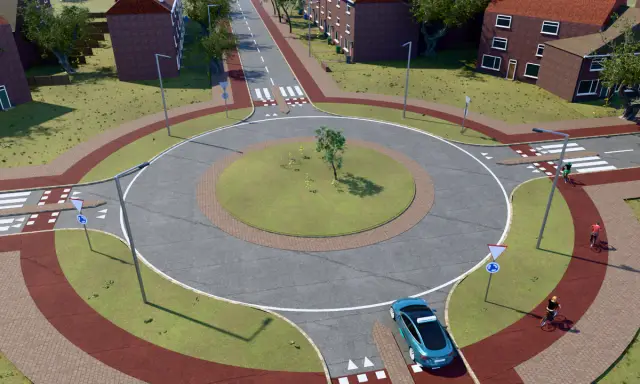 Rules of the road
Roundabouts in the Netherlands: who goes first, and when to indicate
A Dutch roundabout gives no priority by its shape. How to read the entry, when to indicate, cyclists on the ring and turbo roundabouts. 4 min read
Practising for the theory exam?
Zorg Space has a complete Theorie B course in English, Dutch and Arabic: 42 lessons, practice questions for every topic and 22 full mock exams in the current format (50 questions in 30 minutes). It is free with an account.
Open Zorg SpaceZorg Space is not part of, or a partner of, the CBR. The rules in these guides were checked on the date shown; laws change, so cbr.nl and wetten.overheid.nl always have the final word.