 Zorg Space
The Zorg Space lesson library
Clear grammar lessons and topic word lists taken from the Zorg Space courses, each with examples, the usual mistakes and practice questions you can check yourself.
Courses
- Learn DutchThe Zorg Space Dutch course starts from nothing at level A0 — letters, sounds and the first words — and runs to B2, alongside a separate…Lessons: 98 · Word lists: 126
- Learn EnglishThe Zorg Space English course runs from A0 to C1: from the first sentences to formal register and debate. Every rule comes with examples…Lessons: 171
- Learn GermanThe Zorg Space German course runs from A0 to A2: the cases, word order and the verbs you need first, then the past tenses, the passive and…Lessons: 77
- Learn SpanishThe Zorg Space Spanish course runs from A0 to A2: ser and estar, gender and the present tense first, then the two past tenses together, the…Lessons: 86
- Learn KoreanThe Zorg Space Korean course for complete beginners, at level A0: particles, polite endings and the first sentence patterns.Lessons: 28
Driving licence in the Netherlands
Illustrated guides to the Dutch car licence (rijbewijs B): how the theory exam works since 2025, the priority rules and signs as the exam asks them, and driving lessons and the practical test. Every rule here traces back to Dutch law or the CBR.
-
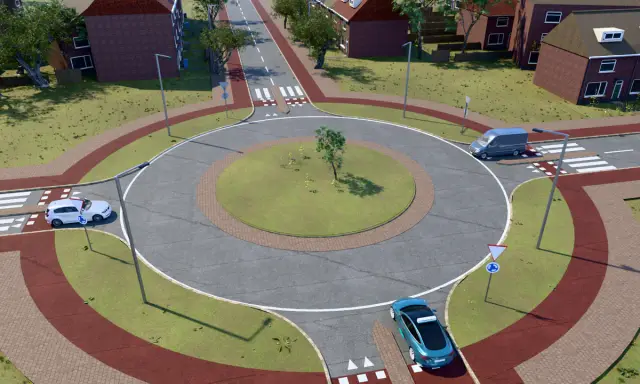 The theory exam
How does the Dutch car theory exam work?
The CBR car theory exam since April 2025: 50 questions that count, 44 to pass, 30 minutes, the question types, and how to prepare for it. 5 min read -
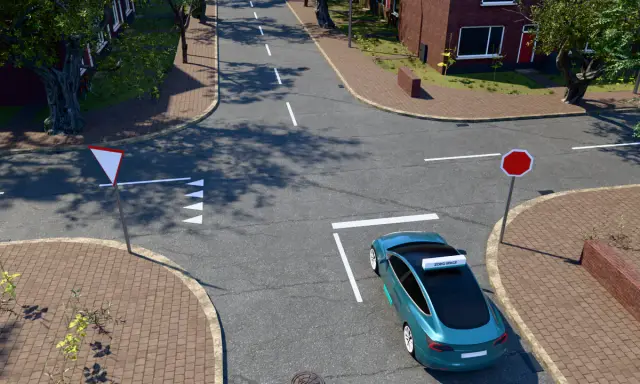 Driving lessons and the practical test
Driving lessons and the practical exam in the Netherlands: what to expect
When you can start, what you need before the exam, how the 55-minute practical exam and the interim test work, and the first five years. 4 min read -
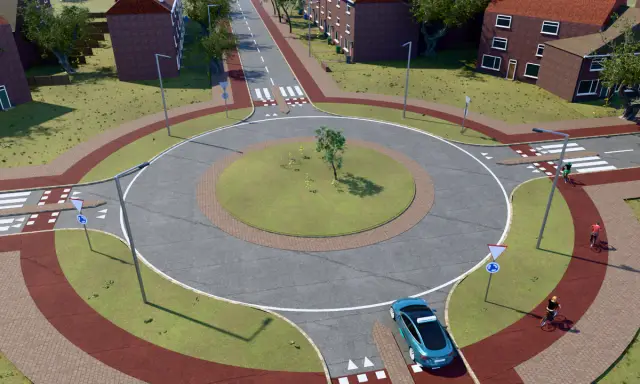 Rules of the road
Roundabouts in the Netherlands: who goes first, and when to indicate
A Dutch roundabout gives no priority by its shape. How to read the entry, when to indicate, cyclists on the ring and turbo roundabouts. 4 min read -
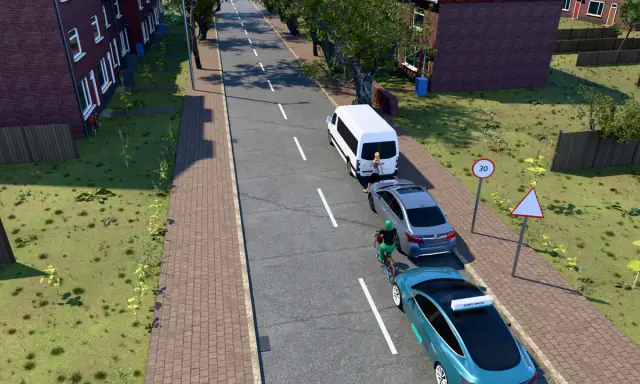 Rules of the road
Speed limits in the Netherlands in 2026: 15, 30, 50, 80, 100 or 130?
The Dutch speed limits by road type, why motorways show 100 by day, where 130 is allowed in daytime since 2025, and when the sign is not the real limit. 4 min read
Questions learners ask
Answers to the questions that come up again and again — from ser and estar to de or het, from the present perfect to flashcards.
-
Language learning
Why do I understand a language but freeze when I try to speak?
Understanding and speaking are different skills. Why the gap appears, why it is normal, and how to train speaking directly so it catches up. 5 min read -
English
When should I use the present perfect instead of the past simple?
Past simple for finished events at a finished time; present perfect when the past connects to now. The four main uses, the time words, and the classic mistakes. 3 min read -
Spanish
When do I use ser and when do I use estar in Spanish?
Ser says what something is; estar says how or where it is. The uses of each, why “permanent vs temporary” misleads, and adjectives that change meaning. 3 min read -
German
How do I know whether a German noun takes der, die or das?
There is no single rule, but endings and word groups predict a large share. The reliable patterns, the traps like das Mädchen, and how to learn genders without guessing. 3 min read -
Dutch
When do I use “de” and when “het” in Dutch?
About three in four Dutch nouns take de. The reliable rules — plurals, diminutives, certain endings — what changes with de and het, and a practical way to learn the rest. 3 min read -
Korean
What is the difference between 은/는 and 이/가 in Korean?
은/는 marks the topic, often known or contrasted; 이/가 marks the subject, often new or identified. When each is used, the fixed cases, and the common mistakes. 3 min read -
Study & memory
Are flashcards actually effective for learning a language?
Yes, used with active recall and spacing. What the research shows about flashcards, what they cannot do, and how to use them well. 3 min read
How the lessons are built
Every lesson explains one rule, shows it in real sentences, points out the mistake learners actually make, and ends with questions whose answers explain themselves. The same lessons power the interactive exercises in the Zorg Space app.
Who it is for
Anyone learning a new language, wherever they are — for study, for work, for travel or for a life in a new country — and anyone who wants to understand a rule before practising it.
Practise this lesson in Zorg Space
In the app every rule becomes interactive practice: instant correction, reviews at the moment you are about to forget, and progress you can see from level to level.
Practise in Zorg Space