 Zorg Space
Speed limits in the Netherlands in 2026: 15, 30, 50, 80, 100 or 130?
Short answer
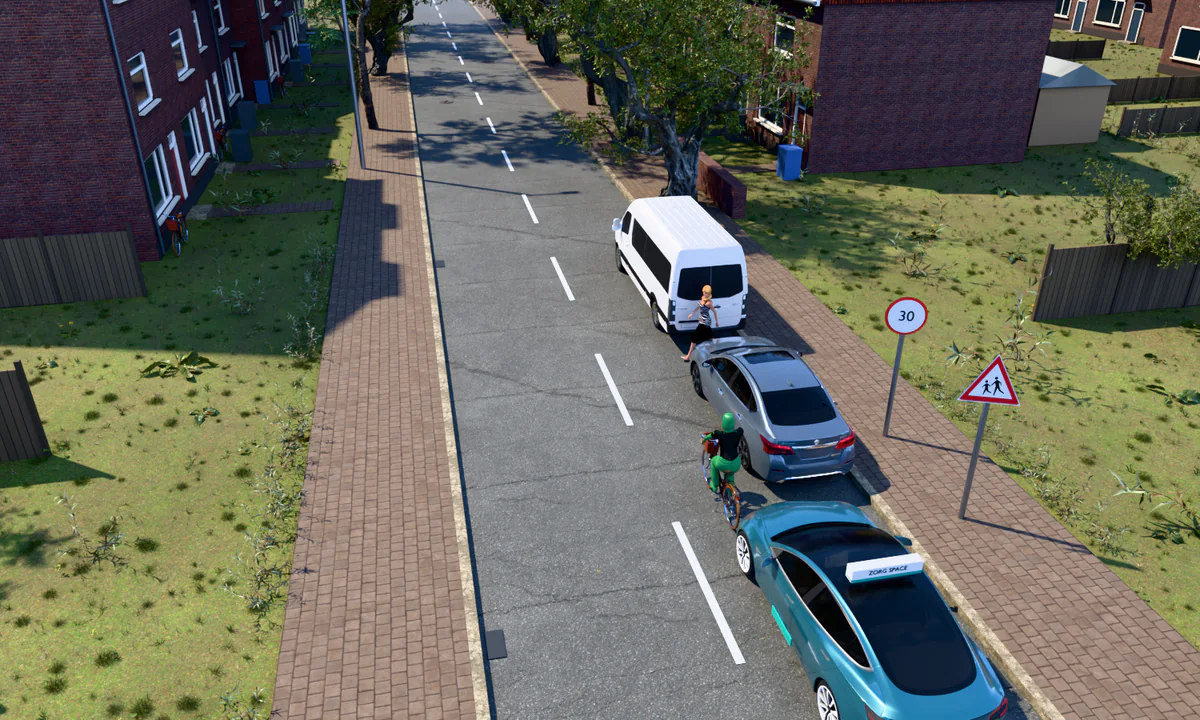
Unless a sign says otherwise, a car may drive 50 km/h inside a built-up area, 80 km/h on other roads outside it, 100 km/h on an autoweg and up to 130 km/h on a motorway. On almost every motorway, signs lower that to 100 between 06:00 and 19:00; outside those hours the sign decides between 100, 120 and 130. In a residential zone (erf) the limit is 15 km/h. Since 14 April 2025 a few motorway sections, such as the A7 over the Afsluitdijk and the A6 between Lelystad-Noord and the Ketelbrug, allow 130 in the daytime as well.
The general limits at a glance
-
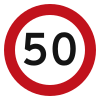 A150 — inside a built-up areaStarts at the town sign (H1), unless a lower limit is signed.
-
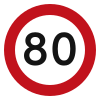 A180 — outside a built-up areaOn ordinary roads.
-
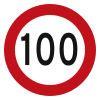 A1100 — on an autowegAlso the daytime limit on most motorways.
-
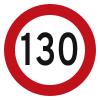 A1130 — the highest limitOnly on a motorway, and only where the sign shows it.
| Road | Sign | Limit for a car |
|---|---|---|
| Erf (residential zone) | G5 | 15 km/h |
| Built-up area | H1 | 50 km/h, unless signed lower (often 30) |
| Outside built-up area | — | 80 km/h |
| Autoweg | G3 | 100 km/h |
| Motorway (autosnelweg) | G1 | 130 km/h unless signed lower; 100 from 06:00 to 19:00 on most |
Where one limit ends and the next begins
The built-up area is not “where the houses are”: it starts at the blue town sign and ends at the same sign with a red bar. A village street outside that sign is an 80 road unless a sign lowers it — which it usually does.
-
 H1Built-up area beginsThe place name sign.
-
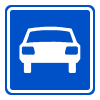 G3Autoweg100 km/h, no slow vehicles.
-
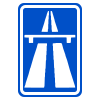 G1MotorwayUp to 130 km/h where signed.
-
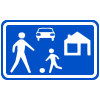 G5Erf (residential zone)15 km/h; pedestrians may use the whole road.
Why motorways show 100 in the daytime
The law sets 130 as the base number for motorways. The daytime 100 comes from signs: since March 2020 almost every motorway has a 100 sign with a plate for 06:00–19:00. So “it is after seven, so it is 130” is an assumption, not a rule. Some stretches are 100, 120 or even lower all day. Since 14 April 2025 a few sections are signed 130 in the daytime too: the A7 over the Afsluitdijk, the A7 from Winschoten to the German border and the A6 from Lelystad-Noord to the Ketelbrug. More may follow; there too, it is the sign that counts. Read the sign and the plate underneath.
Zones, advisory speeds and electronic signs
- Zone signs: a speed sign with the word ZONE (for example a 30 zone) applies to every street in the area until you see the end-of-zone sign — there is no repeat at each junction (article 66).
- Advisory speed: a blue square sign with a number is advice, typically for a bend or an exit. It is not a limit, but if something goes wrong at a higher speed it counts against you.
- Electronic signs above the lanes: a number in a red circle on a matrix board is a real, binding limit, often lowered because of traffic or an incident ahead.
-
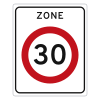 A1zoneZone with a speed limit of 30Valid throughout the area until the end-of-zone sign.
-
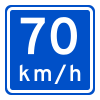 A4Advisory speedA blue sign: advice, not a limit.
When the sign is not your limit
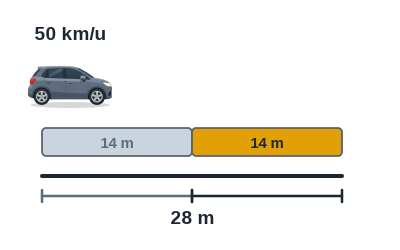
Two numbers can apply to you at once, and the lower one counts (article 63b). Towing a trailer, your car is limited to 90 on motorways and autowegen even where the sign says 130. And above every sign stands the basic rule: you must be able to stop within the distance you can see to be clear. In fog, heavy rain or a blind bend that is far below the sign.
- ≈ 13 m
- ≈ 28 m
- ≈ 58 m
- ≈ 83 m
These distances are an illustration, not a legal figure: one second of reaction time plus braking at 7 m/s² on a dry road. They show the point that matters — the braking part grows with the square of the speed, so 100 km/h needs about three times the distance of 50 km/h. On a wet road the braking part becomes much longer.
Check yourself
Tap an answer to check it. Nothing is saved or sent.
-
1You drive on a motorway at 14:00. The sign shows 100 with a plate “6–19 h”. What is your limit?
- 120 km/h
- 100 km/h
- 130 km/h, because the law says 130
Show answer
Answer: B 100 km/h
The sign with its time plate applies: 100 between 06:00 and 19:00. The 130 in the law is only the base number for when no sign says otherwise.
-
2You tow a trailer on a motorway where the sign says 130. What is the most you may drive?
- 130 km/h
- 100 km/h
- 90 km/h
Show answer
Answer: C 90 km/h
A car with a trailer is limited to 90 on motorways and autowegen. Of two limits that apply to you, the lower one counts (article 63b).
-
3What is the limit in an erf (residential zone)?
- Walking pace, no number
- 15 km/h
- 30 km/h
Show answer
Answer: B 15 km/h
Since 2012 the limit in an erf is 15 km/h (RVV 1990, article 45) — a hard number, not “walking pace”.
Sources
Related guides
-
 Rules of the road
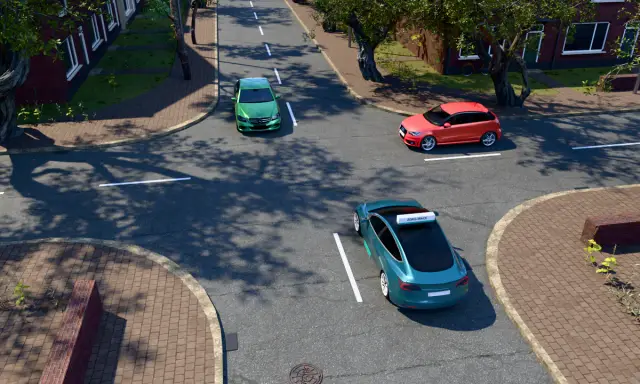
Who has priority in the Netherlands? The rules in the order they apply
Right before left, shark’s teeth, priority roads, trams and turning traffic — the Dutch priority rules in the order they apply, with pictures. 4 min read -
 Rules of the road
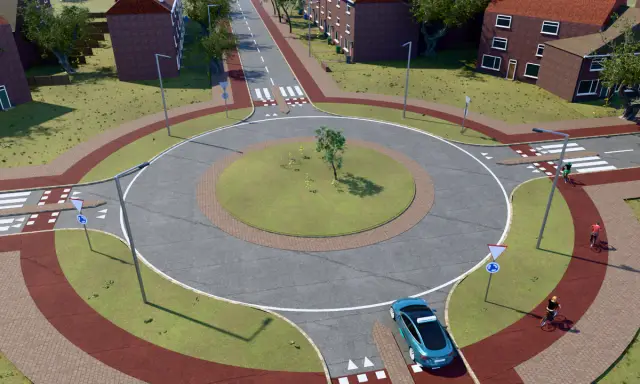
Roundabouts in the Netherlands: who goes first, and when to indicate
A Dutch roundabout gives no priority by its shape. How to read the entry, when to indicate, cyclists on the ring and turbo roundabouts. 4 min read -
 The theory exam
How does the Dutch car theory exam work?
The CBR car theory exam since April 2025: 50 questions that count, 44 to pass, 30 minutes, the question types, and how to prepare for it. 5 min read
Practising for the theory exam?
Zorg Space has a complete Theorie B course in English, Dutch and Arabic: 42 lessons, practice questions for every topic and 22 full mock exams in the current format (50 questions in 30 minutes). It is free with an account.
Open Zorg SpaceZorg Space is not part of, or a partner of, the CBR. The rules in these guides were checked on the date shown; laws change, so cbr.nl and wetten.overheid.nl always have the final word.